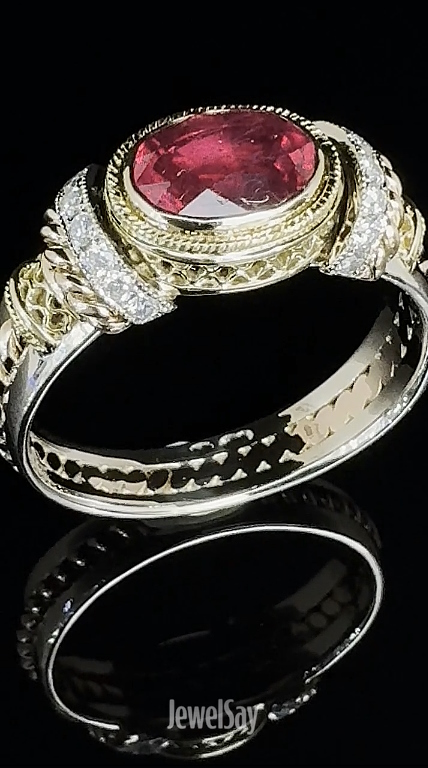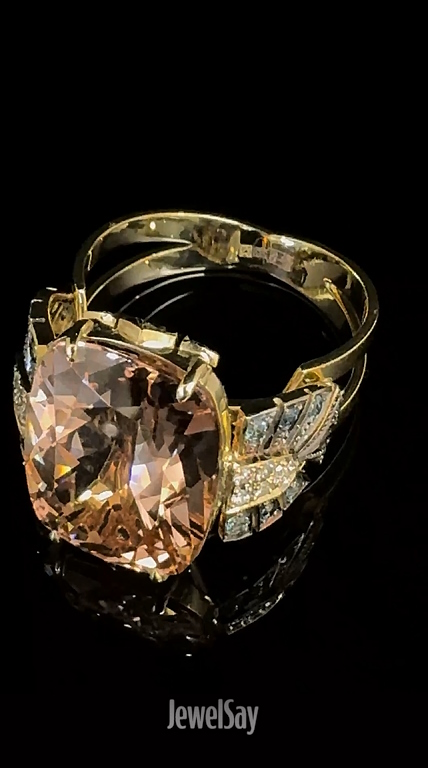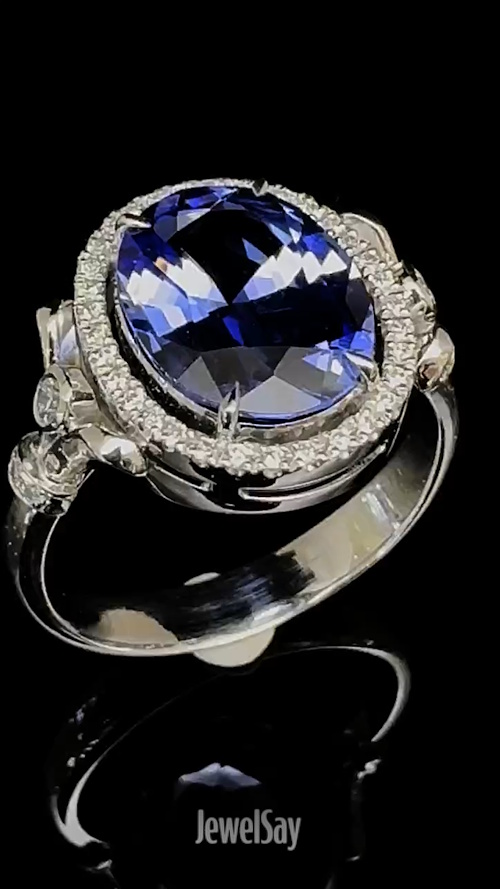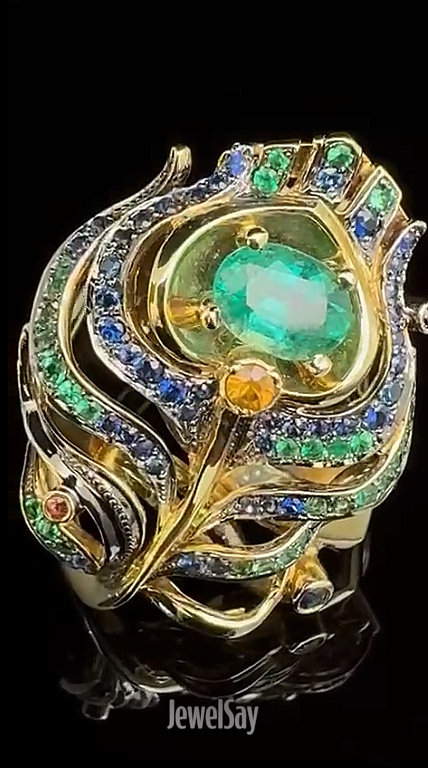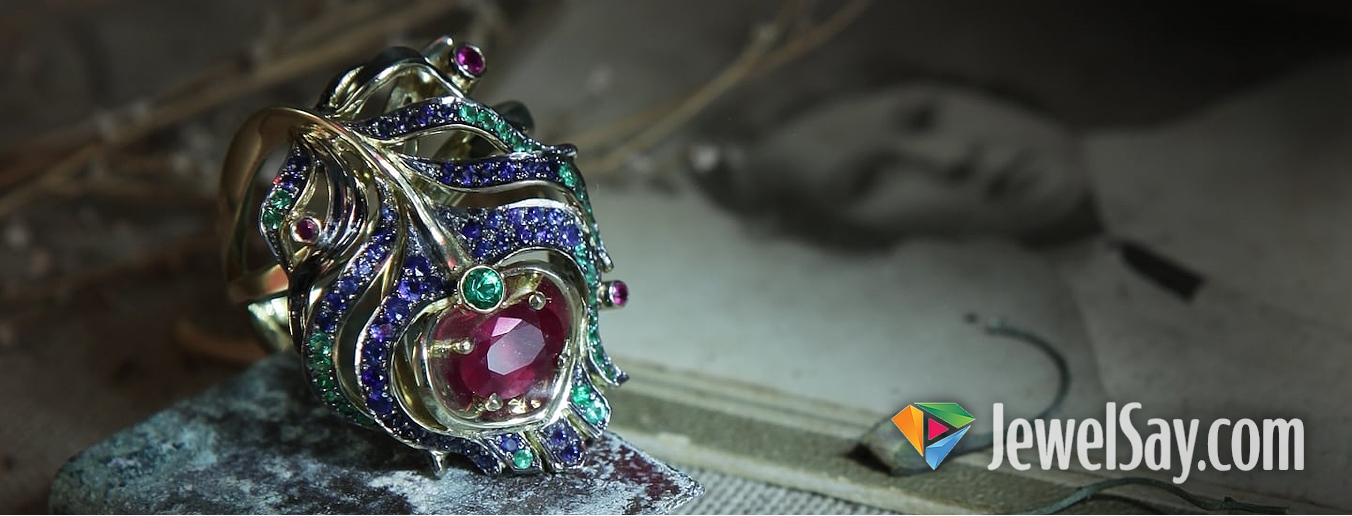
Gold jewelry has a long and fascinating history dating back to the earliest civilizations.
Gold — a symbol of wealth, power, and beauty — has always been valued as a base material for exclusive jewelry and has not lost its appeal over the centuries.We will share some interesting facts about jewelry fashion and the art of creating gold jewelry from ancient times to the present day.
Antiquity: the origins of gold jewelry
Since early times, gold has accompanied humans as a symbol of material wealth, imbued with sacred meaning. Gold items of all shapes and sizes shone in palaces, wealthy homes, temples, and tombs, were indispensable in rituals, and served as evidence of the power of kings and pharaohs.In Ancient Egypt, gold was considered the “flesh of the gods” and the embodiment of eternity. Its radiance was identified with the rays of the sun, and elite gold jewelry carried the idea of immortality and was intended for the chosen few.
Interesting fact: the total weight of gold found in Tutankhamun's tomb is about 9 tons!
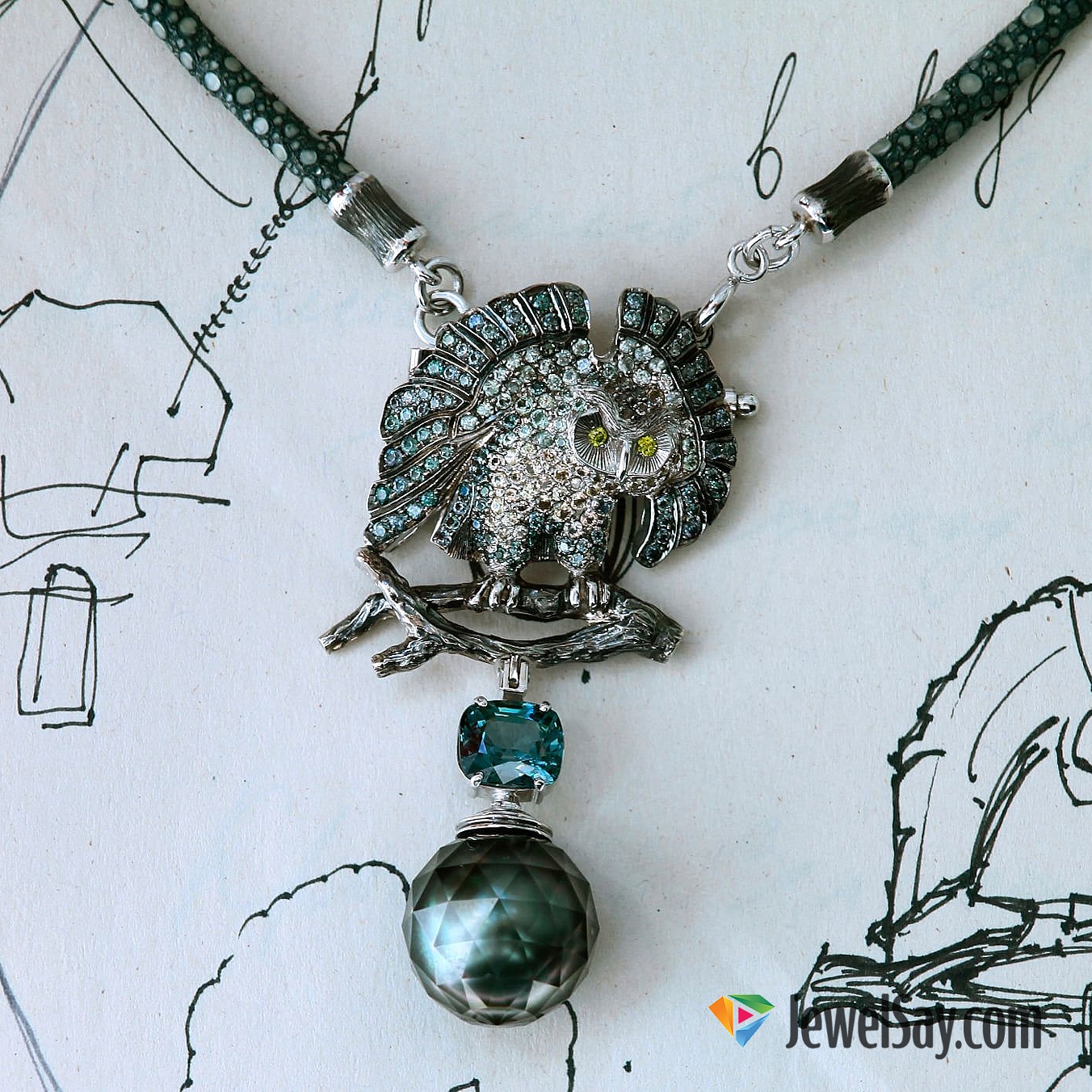
The pharaohs were buried surrounded by lavish items — rings, necklaces, diadems, breastplates decorated with natural stones (lapis lazuli, turquoise) and colored enamel, which was popular at the time. Egyptian craftsmen achieved an amazing level of skill: they mastered wax casting and embossing, and also knew the secrets of soldering and inlaying. Their products were distinguished by a harmonious balance of proportions and were almost always imbued with symbolism: sacred scarabs, sun discs, and faces of gods.
In Mesopotamia, gold adorned rulers and priests, emphasizing their connection to the heavens. Local jewelers followed the fashion of the time and created elegant headdresses, bracelets, and massive earrings with stones.
However, the most skillful gold jewelry was made in Ancient Greece. Greek jewelers strove for sophistication and expressiveness. Although mass production did not exist at that time, craftsmen often made jewelry similar to each other using established technology. However, the wealthiest and most respected Greeks ordered rings, earrings, and other items personally for themselves — even then, this was considered a sign of status.
Ancient Greek jewelry often depicted scenes from myths, Olympian gods, and epic heroes. The Greeks gave the world classic ornaments such as the famous meander — an endless line curved at right angles. Refined filigree (patterns made of gold wire) and granulation, in which the surface was covered with tiny pearl balls, transformed jewelry into miniature works of art. These pieces combined austerity and poetry, symbolizing the ancient man's desire for harmony.
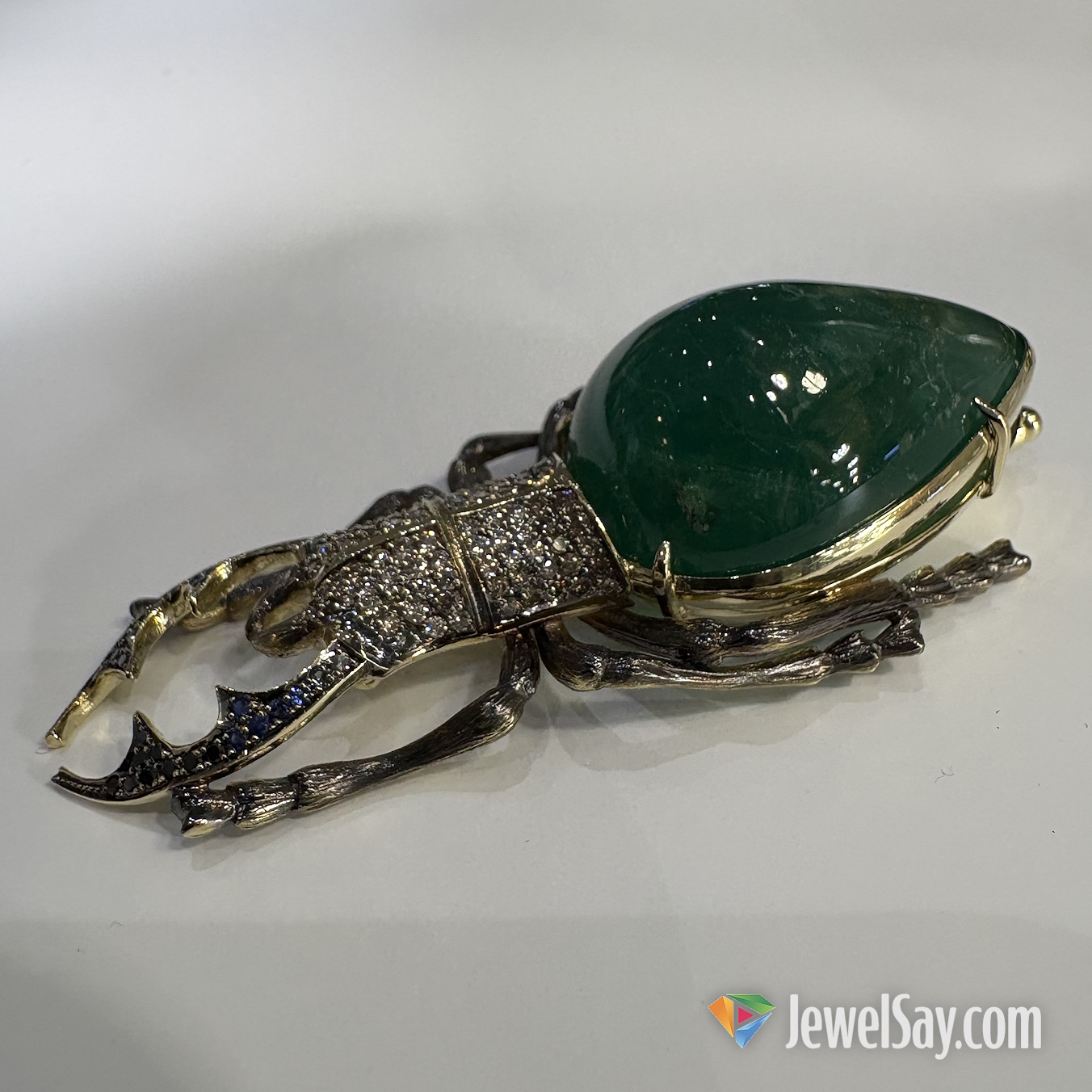
In Rome, gold demonstrated one's position in society no less eloquently than titles or positions. Distinguished Romans wore heavy gold rings as a sign of dignity; powerful bracelets, chains, and necklaces were also in vogue. For wealthy citizens, exclusive jewelry served as a way to declare their wealth and success, and for emperors and generals, it emphasized their power and grandeur.
Interesting fact: in ancient Rome, only senators were allowed to wear gold rings. Free citizens were allowed to wear silver rings, and slaves were only allowed to wear iron rings. Later, the law allowed free citizens to wear gold if their ancestors had also been free for two generations.
Thus, in ancient times, gold transitioned from a measure of material value to a sign of spiritual and social significance. It became a language of culture in which different peoples expressed their worldview, beliefs, and ideas about beauty, emphasizing their place in the social hierarchy.
The Middle Ages and Renaissance: symbolism and craftsmanship
In the Middle Ages, gold seemed to lose its worldly lightness for a time and became the language of faith. The noble metal smoothly passed from the hands of fashionistas to the hands of the Church, becoming a material for sacred reliquaries, chalices, and crosses. Gold shone on altars, framed the relics of saints, and symbolized the power of Heaven.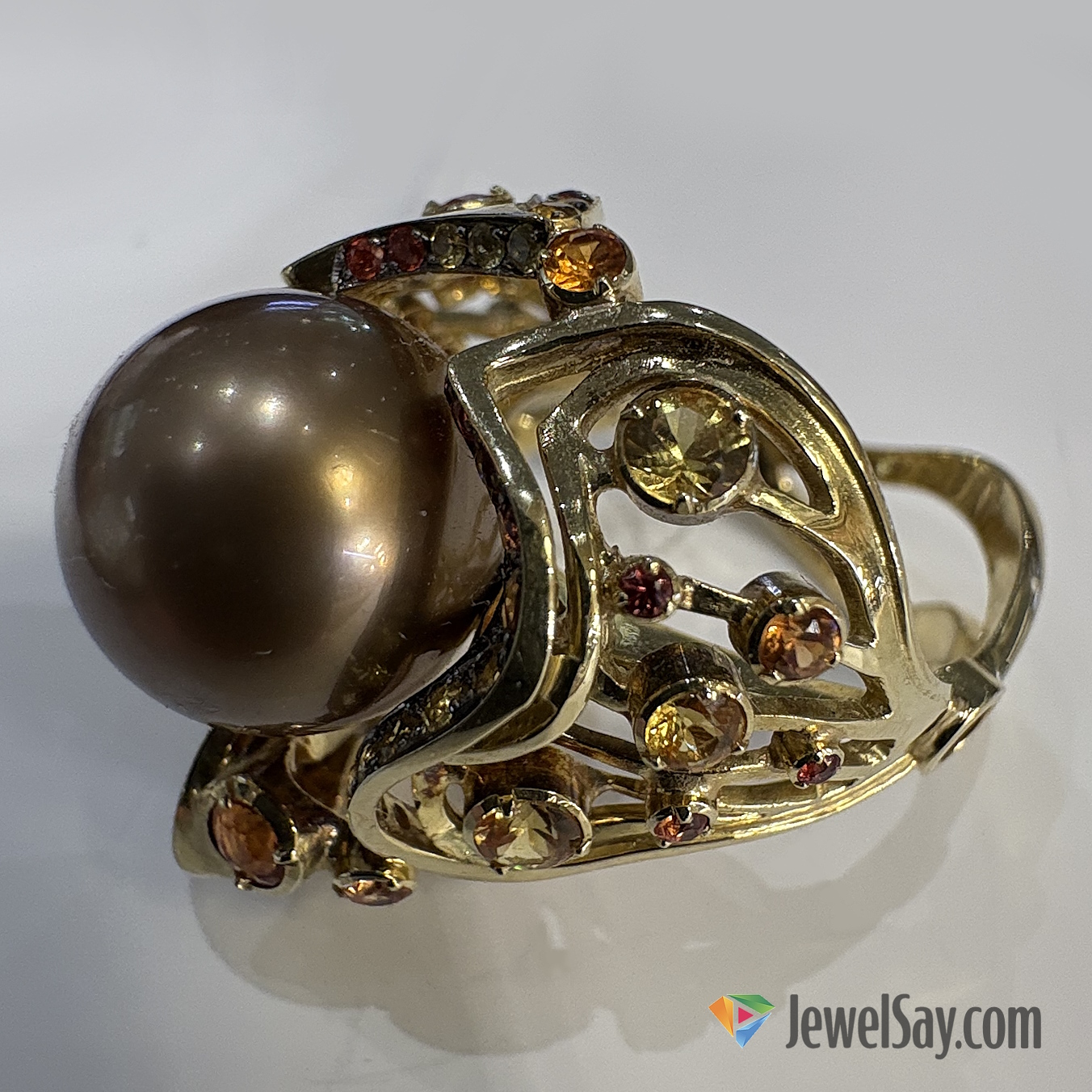
Exclusive jewelry often served as amulets, for which Christian symbols (crosses, fish and lilies) were applied to rings, signet rings, and pendants. The technique of enameling became the height of jewelry fashion: transparent and colored enamels enlivened the images, making the pieces resemble miniature icons.
With the advent of the Renaissance, gold regained its freedom and returned to the world of beauty. The thaw of the Renaissance breathed a thirst for refinement and inspiration from antiquity into the jewelry business. Masters drew inspiration from nature — leaves, flowers, fruits, and fantastical creatures became part of intricate compositions. Religious modesty gave way to the enjoyment of worldly life in all its manifestations.
This period was accompanied by a flourishing of jewelry making. People valued beautiful and expensive things, which contributed to the revival of art, crafts, and trade. Successful merchants and factory owners could afford real luxury for themselves and their families in the form of rare overseas gemstones and pearls framed by filigree gold lace.
Benvenuto Cellini, a jeweler, painter, and sculptor, occupies a special place in history as one of the first in Europe to elevate the craft of goldsmithing to a high art form. His creations became classic masterpieces, combining complex technique, mythology, and artistic vision.
The Renaissance made gold jewelry the embodiment of a new view of the world: man was once again at the center of the universe, and gold became a material that expressed wealth, taste, and the pursuit of beauty.
Baroque and Rococo: the luxury of gold and diamonds
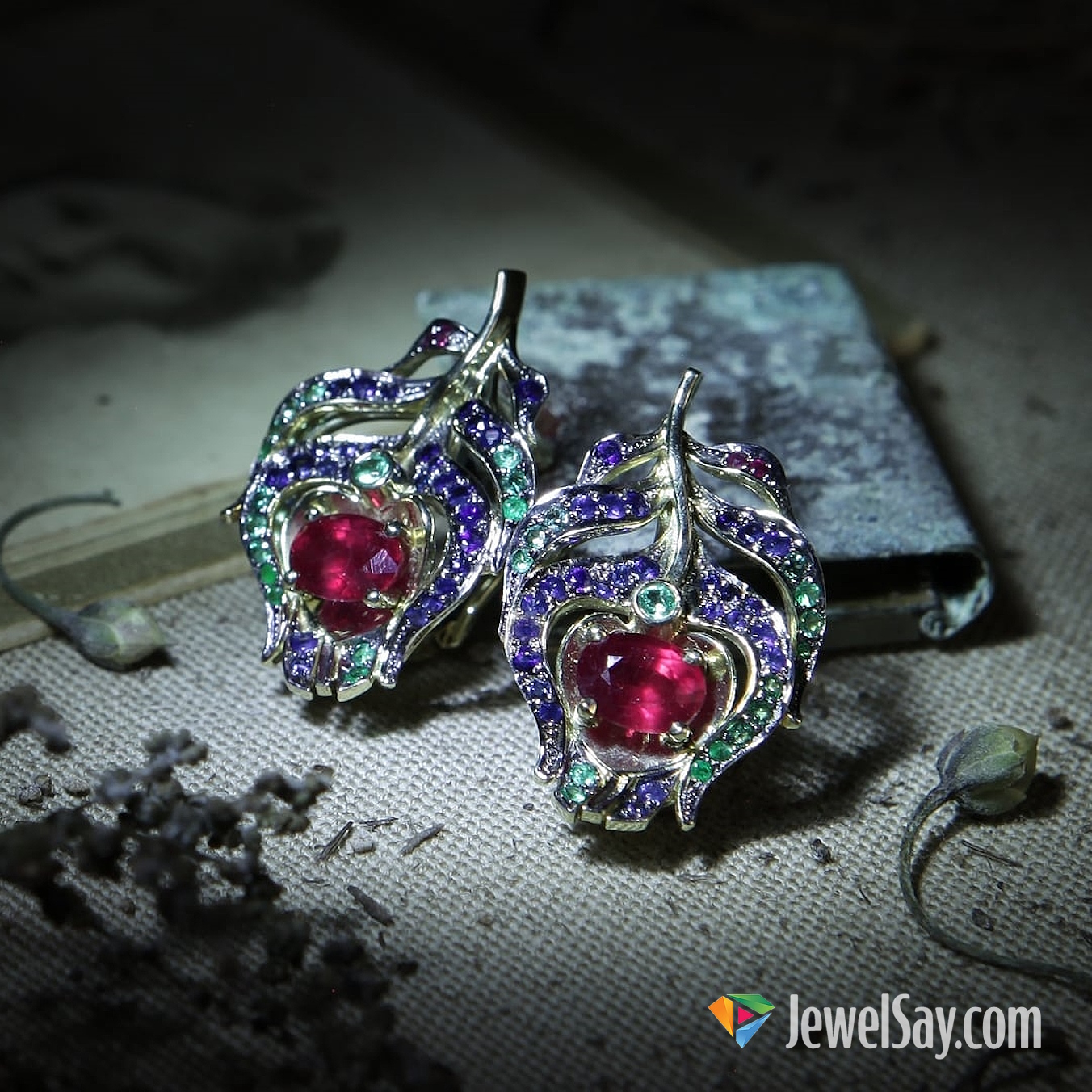
Baroque became synonymous with pomp, theatricality, and splendor, and jewelry art fully shared these sentiments. Elite gold jewelry became a must-have accessory for the royal court and nobility, reflecting the taste of the powerful for ostentatious wealth and glamour.Symmetrical compositions, solemn forms, and an abundance of details were all designed to emphasize the grandeur and power of the owner. Jewelry was generously encrusted with diamonds, rubies, sapphires, and emeralds, and their compositions resembled the intricate ornamentation of palace architecture and ceremonial interiors.
The Rococo style, which replaced Baroque in the 18th century, brought lightness and playful grace to the art of gold. Symmetry gave way to whimsical curves inspired by nature: branches, flowers, butterflies, and shells became central motifs. Gold jewelry was designed to be more airy and elegant, resembling miniature sculptures, as if woven from gold and stones.
Interesting fact: the discovery of rich diamond deposits in Brazil made this stone the “king” of the era; diamonds with gold in the most refined forms were a coveted gift for the select few.
In these styles, gold finally secured its status not only as a valuable metal, but also as a material capable of embodying the boldest artistic fantasies.
The 19th century: jewelry fashion in the industrial era
The industrial age is known as a time of tectonic changes and paradoxes.On the one hand, society felt nostalgia for the past, drawing inspiration from Gothic, Baroque, and Renaissance styles. This desire to revive old styles was called historicism.
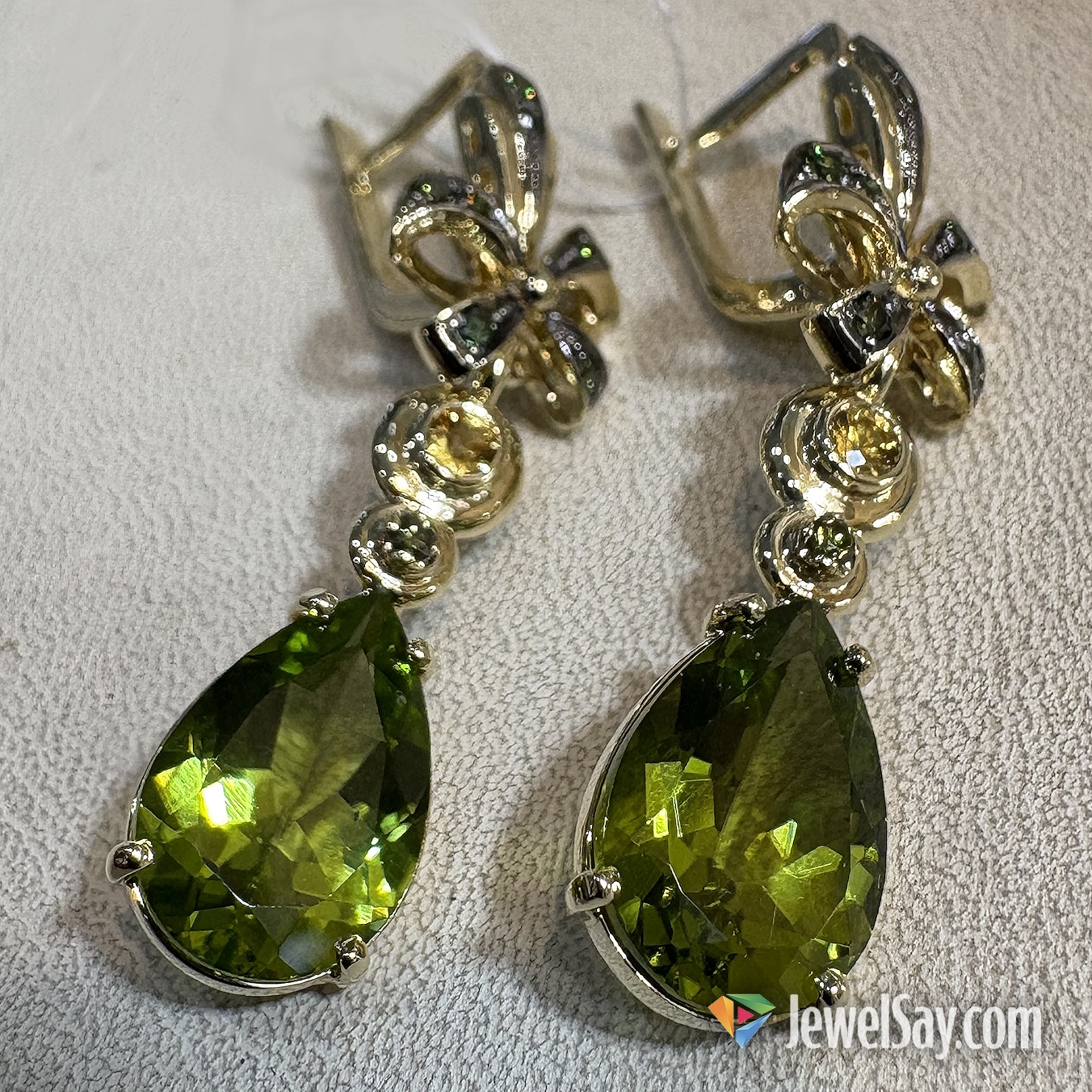
On the other hand, the technical progress of the Industrial Revolution changed the very approach to jewelry making. Jewelers developed new methods of working with gold, and mechanized production simplified the manufacture of jewelry, making it more accessible to a wider range of people. At the same time, custom-made jewelry took on special significance, emphasizing the status and taste of the owner.
The Victorian era brought sensuality and symbolism to the art of jewelry. Jewelry became a repository for personal stories and memories: medallions with miniature portraits or locks of hair from loved ones, mourning brooches and rings that conveyed messages through floral and animal motifs became popular.
At the same time, jewelers experimented with new alloys. Pink and red gold appeared, which looked different in familiar ensembles. These alloys opened up new horizons for jewelry design, adding unexpected colors to the gold palette.
This century amazingly combined the old and the new: the romance of the past and the energy of the future.
The 20th century and today: modern trends in jewelry
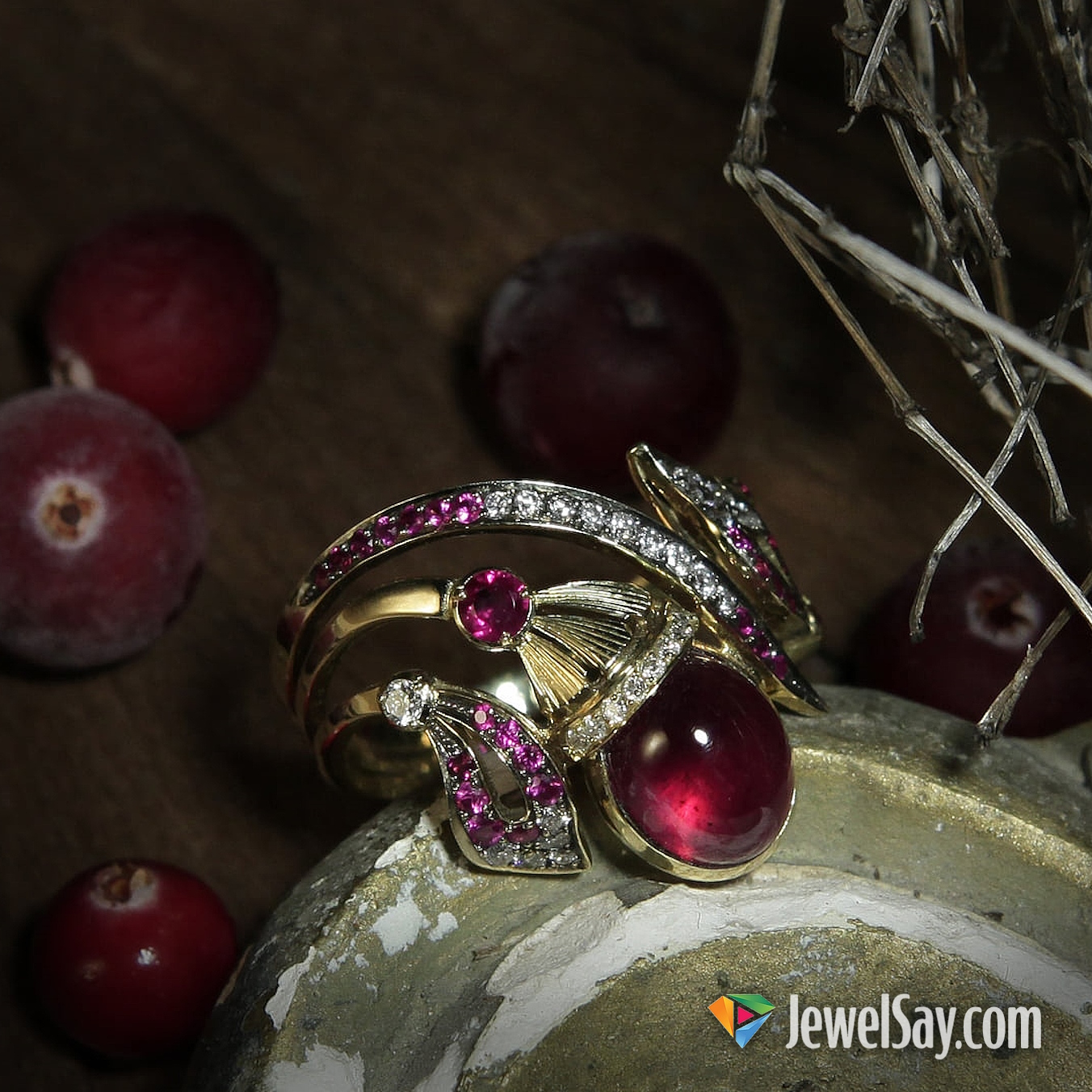
The 20th century, without exaggeration, turned the concept of gold jewelry upside down.It was a century of artistic revolutions, which were also reflected in the art of jewelry. The Art Nouveau style, which flourished at the turn of the 19th and 20th centuries, transformed jewelry into poetic compositions: gold was intertwined with plant lines, dragonfly wings, and the flowing silhouettes of female figures. Jewelers experimented with combinations of gold and enamel, natural gemstones and pearls, creating pieces that resembled paintings and sculptures.
Interesting fact: from 1885 to 1917, Russian jeweler Carl Fabergé created the famous Fabergé eggs in St. Petersburg. The first egg was a gift from Tsar Alexander III to his wife Maria Fedorovna on their 20th wedding anniversary.
In the 1920s, Art Deco came into fashion. This style rejected the softness of Art Nouveau and offered strict geometry, contrasting colors, and clarity. Gold jewelry became more concise and bold, reflecting the energy of rapidly growing industrial cities and the spirit of technological progress.
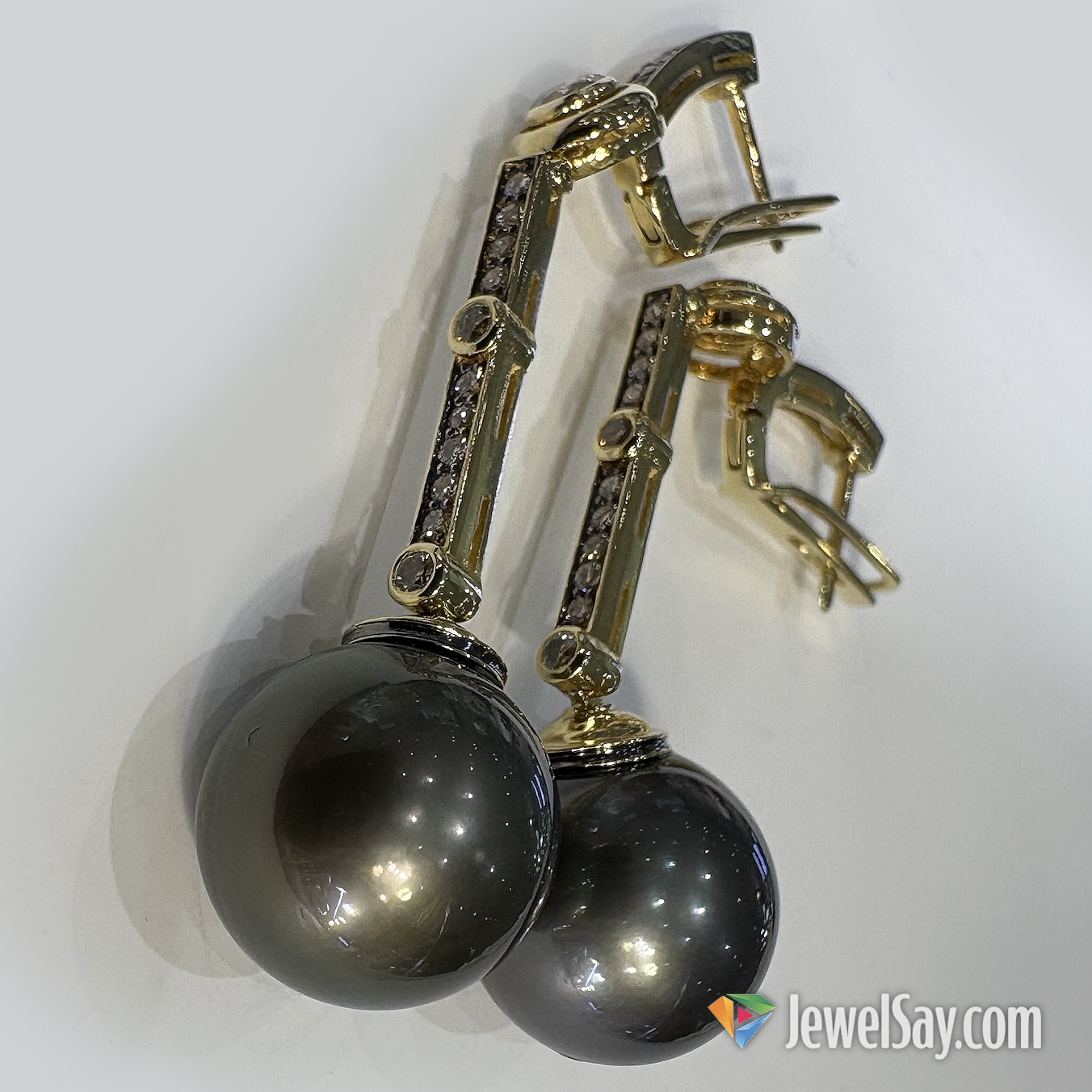
In the second half of the 20th century, European jewelers finally broke free from the canons of the past. They began to use gold in combination with unconventional materials, including wood, ceramics, and new-fashioned plastic. There was a desire for minimalism, and jewelry increasingly became an expression of the owner's individuality rather than simply a display of wealth.
The modern era has brought another important emphasis: responsibility to nature and society.
Gold jewelry is no longer just a symbol of luxury: today, it is valued not only for its beauty and craftsmanship, but also for its ethical origin. Increasing attention is being paid to fair trade and environmentally friendly methods of gold mining and processing. Twenty-first-century craftsmen combine ancient traditions of processing with innovative technologies to create exclusive jewelry that reflects the changing philosophy and spirit of the times.
Gold remains an eternal symbol, but its meaning has become multifaceted: now each new piece of jewelry tells a story about the style, human values, and personal history of its owner.
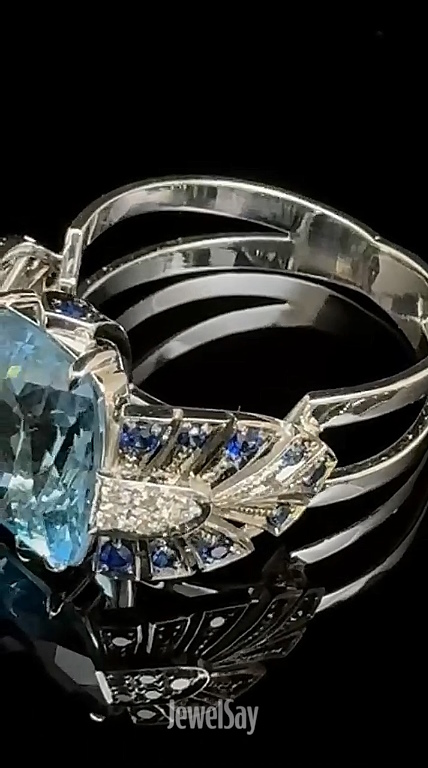
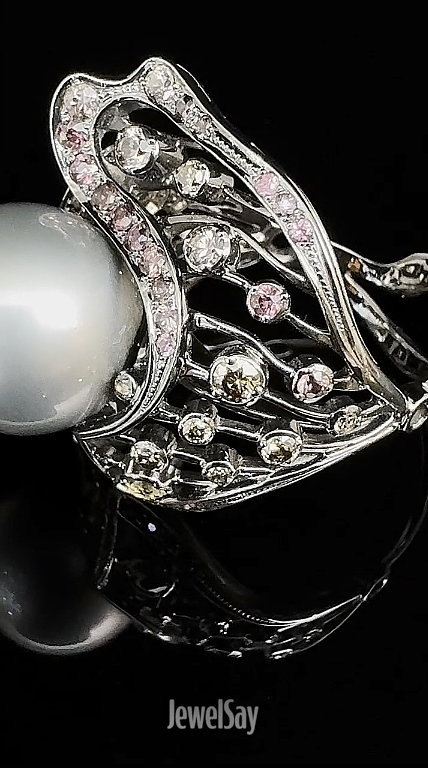
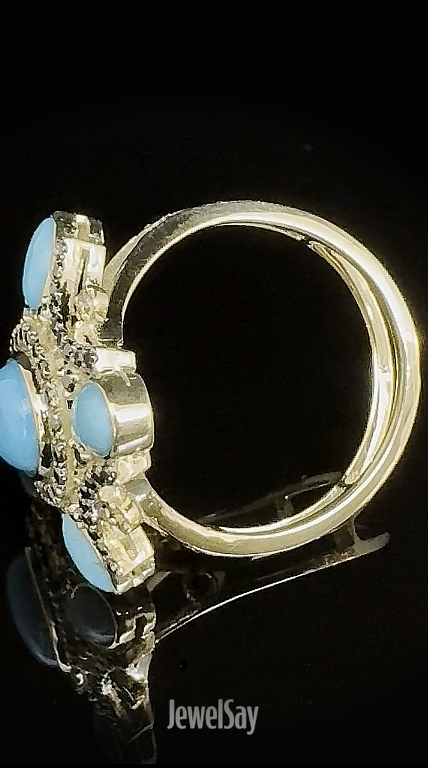
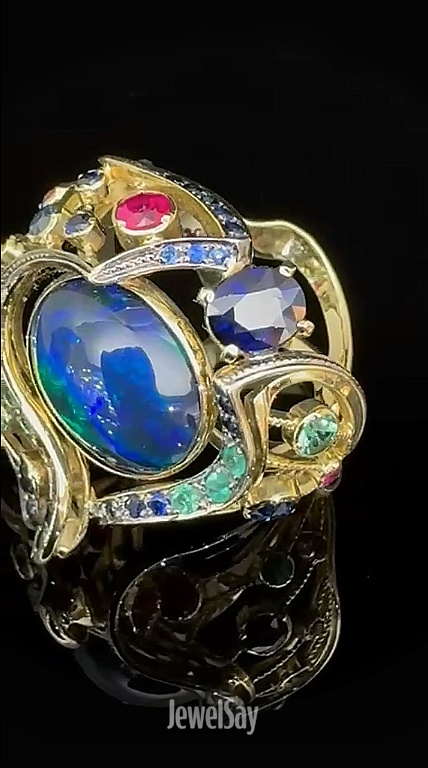
The JewelSay jewelry brand values this great tradition and continues it in original, custom-made gold jewelry. Visit our catalogue to discover timeless beauty and impeccable craftsmanship. Let our jewelry help you write your own story!